Caring for Loved Ones — Abuse, Estate, and Probate: What Families Should Know
How to Recognize Nursing Home Abuse and Navigate Probate for Your Family's Protection
When families entrust elderly loved ones to nursing homes or assisted-living facilities, they expect compassionate care, respect, and safety. At life’s end, they also expect their affairs — assets, debts, property — to be handled properly so heirs are protected. Unfortunately, both care and estate planning bring risks: some residents suffer neglect or abuse, and without proper planning, probate or estate issues can complicate inheritance and family peace.
This guide brings together what you need to know about identifying and acting on nursing home abuse — and about how probate works, when it helps, and when careful planning can avoid it.
Recognizing and Acting on Nursing Home Abuse
What Counts as Abuse or Neglect
Nursing-home abuse can take many forms, including:
- Physical mistreatment (hitting, pushing, excessive restraint, rough handling)
- Emotional abuse (humiliation, threats, deliberate isolation or neglect)
- Sexual abuse or harassment
- Neglect: failure to provide basic care such as food, water, hygiene, medical treatment
- Financial exploitation: unauthorized use of a resident’s funds or property
Even if neglect is unintentional — for example, due to poor staffing, under-training, or lack of supervision — it can still be actionable if harm results.ashleyownbytn.com+2Department of Justice+2
Common Warning Signs Families Should Watch For
Be alert to any of the following red flags:
- Unexplained bruises, fractures, burns, or injuries
- Sudden weight loss, dehydration, or signs of malnutrition
- Bedsores, untreated infections, or declining hygiene
- Medication errors or missed doses
- Changes in mood: withdrawal, fearfulness, or “shutting down”
- Dirty or stained clothing or bedding, unclean environment
- Unexplained bank withdrawals, missing personal items, or other signs of financial exploitation
If you observe concerning signs — especially multiple ones — document them carefully: take photos, record dates and times, note who you spoke with, and save any communications. Then reach out to facility management and, if appropriate, adult protective services.ashleyownbytn.com+2The Dickson Firm -+2
When Abuse or Neglect Is Legally Actionable
Abuse or neglect becomes actionable when:
- The nursing home (or staff) violated the duty of care owed to the resident;
- That violation caused injury, harm, or death;
- The harm resulted in damages — medical bills, emotional suffering, financial loss, wrongful death, etc.ashleyownbytn.com+2Cochran Firm+2
Families may have grounds to file a civil lawsuit for negligence, abuse, wrongful death, or financial exploitation. A qualified attorney experienced in elder-law and personal injury can review medical and facility records, interview witnesses, work with experts, and help pursue claims or settlements. The sooner you seek legal advice, the better — early intervention helps preserve evidence, protect rights, and prevent further harm.ashleyownbytn.com+2Nursing Home Law Center LLC+2
Understanding Probate — What It Does and When It Helps
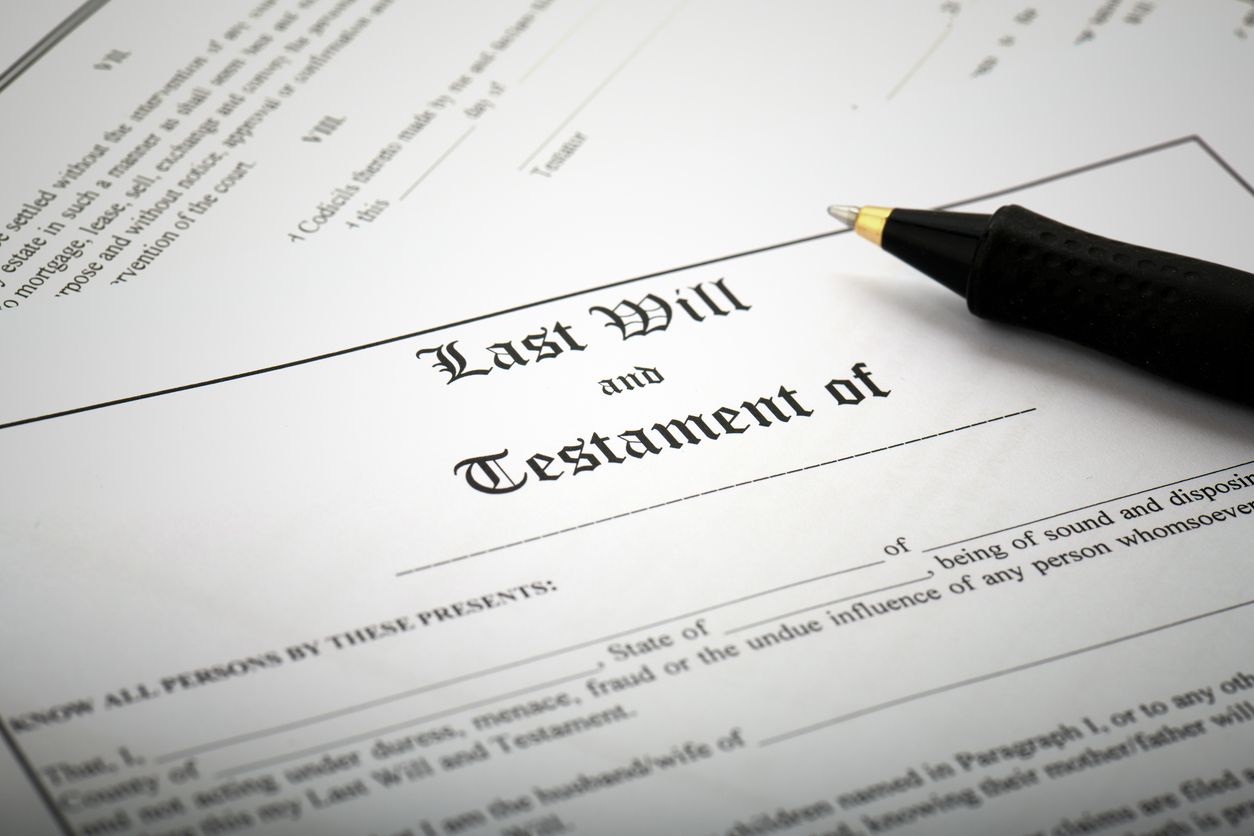
When a person passes away, their estate — property, assets, debts, titles — must often go through a legal process known as probate. In many cases probate plays a crucial role; but in others, it feels burdensome. Here is how to understand probate and how to plan with it in mind.ashleyownbytn.com
What Probate Actually Does
Probate is the court-supervised process that:
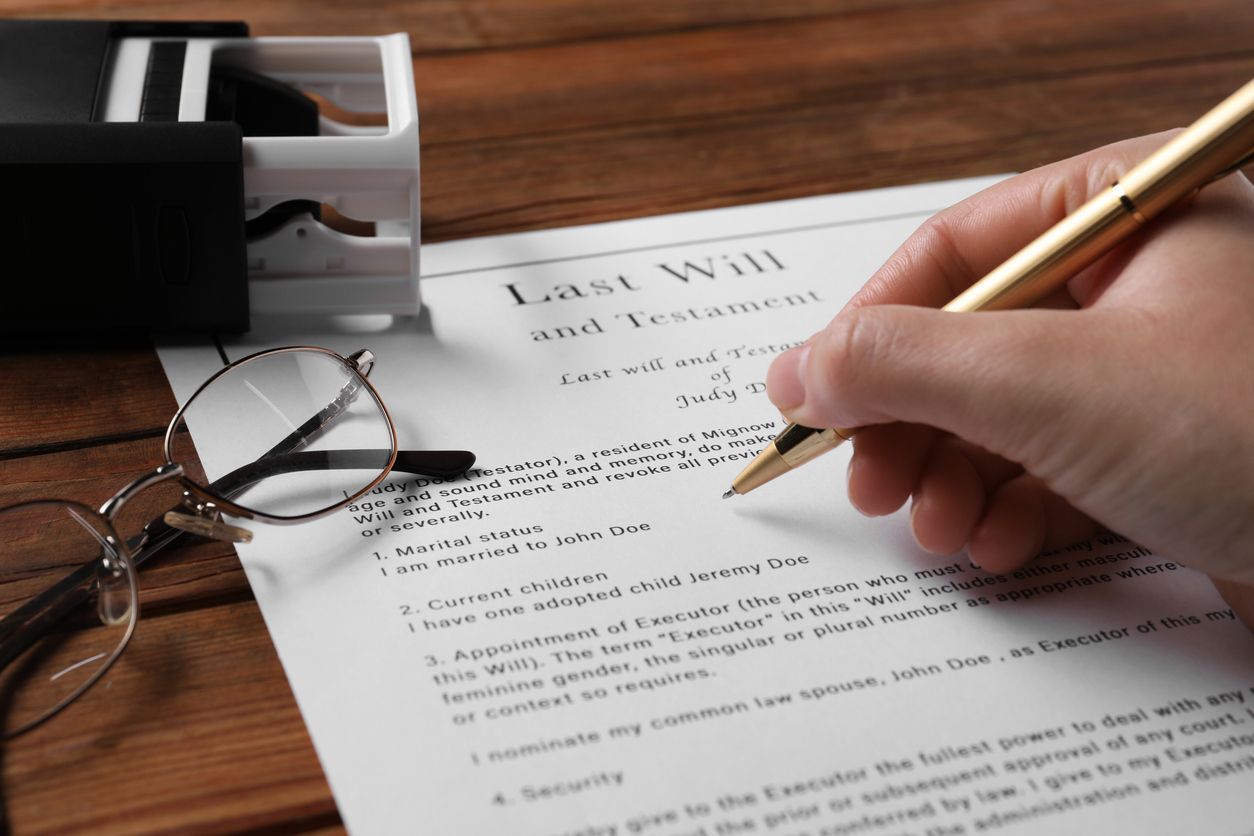
- Confirms whether a valid will exists (or applies default inheritance laws if there's no will)
- Appoints a personal representative (executor) to gather assets, pay debts and taxes, manage final bills, and distribute remaining assets
- Provides legal authority to access accounts, liquidate or transfer property, handle titles, and deal with creditors or disputes
- Acts as a formal, transparent process — with records and oversight — to protect heirs, creditors, and the estate’s integrityashleyownbytn.com
When Probate Is Especially Useful
Probate can meaningfully help when:
- There is no will or the will is unclear — it avoids confusion and competing claims
- Real estate, vehicles, or titled property must change ownership — court orders make transfers legally clear
- Family members disagree over distribution — the court can resolve disputes fairly
- There are creditors or significant debts or ongoing bills — probate sets deadlines and ensures debts are handled properly
- Transparency matters — probate produces a record of distributions, protecting beneficiaries and personal representatives alikeashleyownbytn.com
When Probate Feels Like a Burden
On the flip side:
- Probate can take months, even for relatively simple estates
- It involves fees, formal filings, legal help, and possibly professional assistance
- The process is part of the public record — which can reduce privacy
- Banks, insurers, and agencies often require detailed paperwork and court letters, which can be tedious and time-consumingashleyownbytn.com
Probate Is Not One-Size-Fits-All
Depending on what the deceased owned — property, accounts, real estate, titles, beneficiary designations — probate may not always be necessary or may be simplified. In some cases:
- Life insurance, retirement accounts, or accounts titled “payable on death” can pass directly to beneficiaries
- Trusts can bypass probate entirely for covered assets
- Small estates or accounts may qualify for streamlined or simplified procedures
- Joint ownership or transfer-on-death deeds can help property transfer with less hassleashleyownbytn.com+2LegalZoom+2
Why Both Issues Matter — Especially Together
When caring for an elderly loved one or planning an estate, abuse/neglect risks and probate/estate challenges often intersect. Understanding both is crucial because:
- If a resident suffers abuse or neglect, that may lead to medical bills, loss of assets, or even wrongful death — all of which intersect with estate administration or inheritance disputes.
- Estate plans that are not updated or set up properly (no will, no trust, unclear titles) may force probate — compounding the stress on families already dealing with elder-care issues.
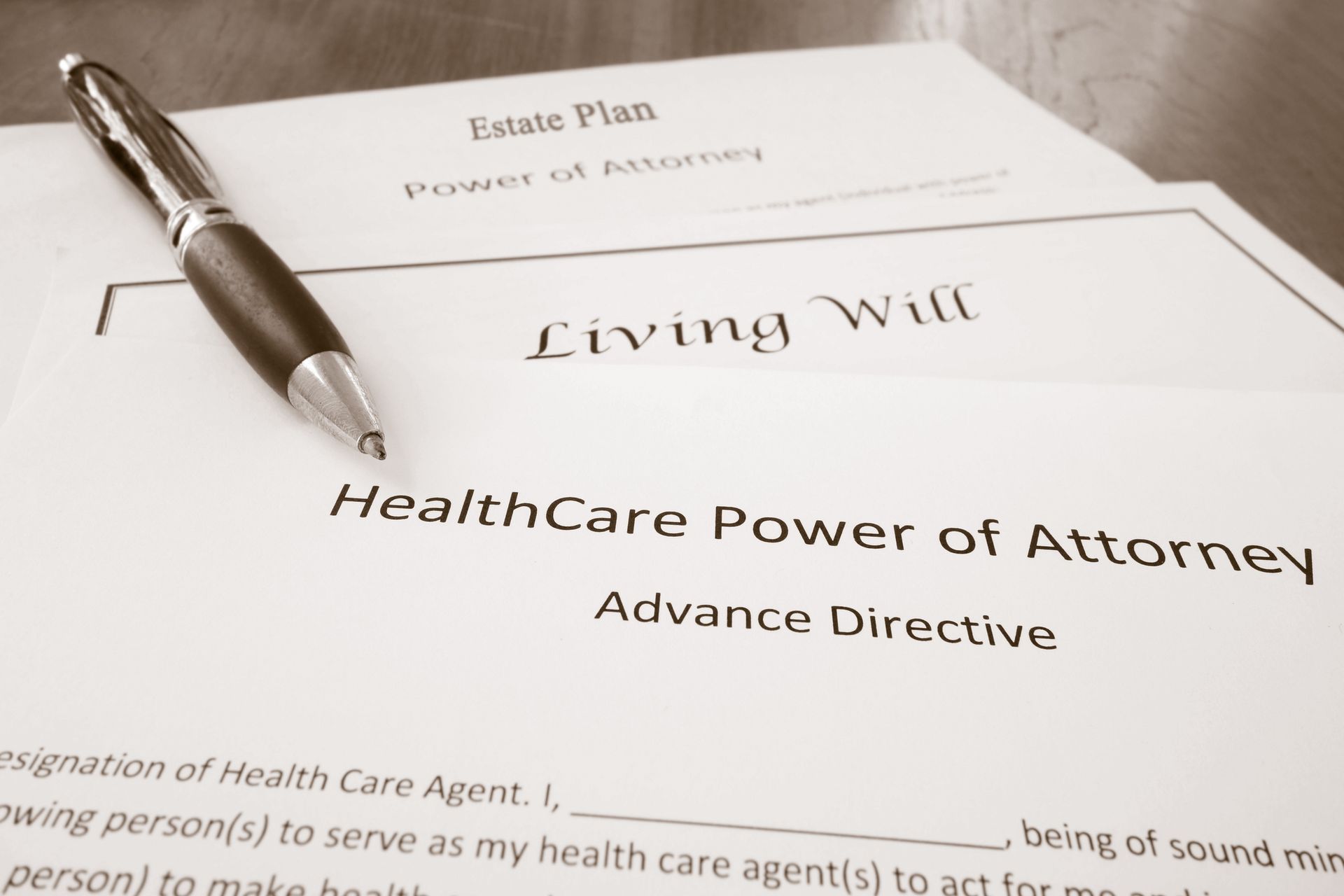
- Planning ahead — transparent wills/trusts, proper beneficiary designations, clear asset titles — can ease probate and help ensure the deceased’s wishes are honored, even amid a stressful situation.
- If abuse or exploitation is involved, legal claims may affect what property is available for distribution — adding urgency to both abuse claims and estate planning.
Key Takeaways for Families
- Be vigilant: watch for signs of neglect or abuse in nursing homes, document concerns, and act early.
- Know that abuse or neglect — even if unintentional — can be actionable under law if harm results.
- Probate is a legitimate tool: in many situations it brings clarity, protection, and structure; but it can also be time-consuming, costly, and public.
- Estate planning — wills, trusts, beneficiary designations, clear titles — can reduce or avoid probate when appropriate.
- When elder-care issues and estate planning overlap (e.g. abuse, assets threatened by long-term care costs, or unclear ownership), seek professional legal help for both elder law and probate/estate matters.