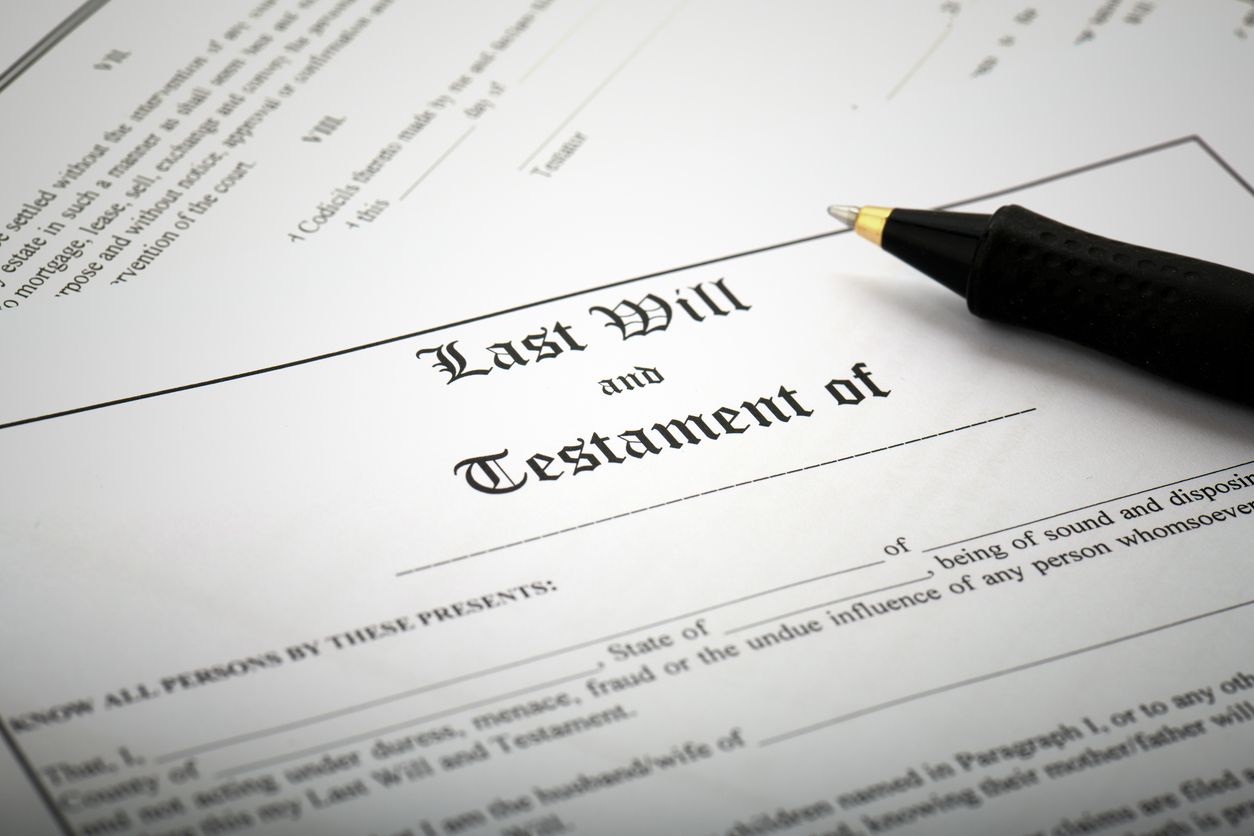
Will or Trust: Which Is Right For You
Choosing Between Wills & Trusts
Many families ask the same question: should I use a will, a trust, or both. The best answer depends on your goals, your assets, and your family. Here is a plain English guide from Ashley Ownby, Attorney at Law, to help you choose a path with confidence.
Quick definitions
Will
A will is a written plan that takes effect after death. It names who inherits, who manages the estate, and who serves as guardian for minor children. A will usually goes through probate.
Living trust
A revocable living trust is a legal arrangement you create while alive. You move assets into the trust and you remain in control as trustee. When you pass away, the successor trustee distributes assets according to the trust terms, usually without probate.
What a will does well
- Names a guardian for minor children
- Covers personal items, gifts, and clear instructions
- Simple to set up for straightforward estates
- Lower upfront cost than a trust in many cases
What a will does not do
- It does not avoid probate by itself
- It does not control assets with beneficiary designations or joint ownership
- It provides less privacy because probate filings are public records
What a living trust does well
- Can avoid probate for assets titled in the trust
- Can provide more privacy and faster access for your trustee
- Helpful if you own real estate in more than one state
- Allows detailed rules for how and when beneficiaries receive funds
- Smooths management if you become ill, since a successor trustee can step in
What a living trust does not do
- It does not replace a will entirely. You still need a pour over will to catch assets not already in the trust.
- It does not work unless you fund it. Titles and beneficiary forms must be updated.
- It usually costs more upfront and takes more setup time.
When a will is usually enough
- Young family with modest assets and no complex issues
- Single home in Tennessee, no out-of-state property
- You want clear guardianship instructions and are comfortable with probate
When to consider a trust
- You want to avoid probate and keep more privacy
- You have property in more than one state
- Blended families or long-term control is important
- A beneficiary has special needs or money management concerns
- You want a plan for incapacity so a successor trustee can manage without court involvement
Will and trust together
Many Cleveland families use both. A living trust holds the home and key accounts. A pour over will names guardians, covers personal items, and directs any stray assets into the trust at death.
Keep beneficiary forms in sync
Some assets pass by beneficiary form, not by will or trust. Review these so they match your plan:
- Life insurance
- Retirement accounts
- Payable on death or transfer on death accounts
- Certain brokerage accounts
Cost and timing
- Will package: lower setup cost, more work for your executor later due to probate
- Trust package: higher setup cost, less court involvement later if funded correctly
The right choice is the one that lowers stress and cost overall for your family.
Common mistakes to avoid
- Creating a trust but never funding it
- Forgetting to update beneficiary forms after life events
- Naming co executors or co trustees who cannot work well together
- Letting old documents sit for a decade without review
Plan to review your plan every 3 to 5 years, and after marriage, divorce, birth, death, or a move.
How we help in Cleveland
At Ashley Ownby, Attorney at Law, we listen first. Then we recommend a will, a trust, or both. We prepare clear documents, handle funding steps, and align beneficiary forms so everything works together under Tennessee law.